

 The entire world mourned as thick smoke and ash hovered over the National Nairobi Park as elephant and rhino tusks were burned. Twelve enormous towers made of ivory and rhino horns were put to fire as the whole nation watched somberly. This was a very significant event to display how the country stands against poaching. In most African countries, wildlife makes up a major part of the country’s GDP. Unless rescue and rehabilitation groups are set up, this could cause the tourism revenue to go down drastically.
 According to a recent survey, an elephant is killed every 15 minutes for its tusks. Around 1338 rhinos were poached in Africa last year. These numbers keep increasing steadily unless the people take a stand. Experts in the ivory market were concerned that the burnings would cause the price of ivory to increase in the black market, but Richard Leakey, a renowned conservationist assured the public that earlier similar burnings have led to a big dip in prices.
The mass burning included over 105 tons of elephant ivory as well as more than 1 ton of rhino horns, this is said to be one of the largest stashes ever destroyed. Hopefully, this burning will cause poachers to think before attempting to take the life of another wild animal.
 As per the reports published by World Health Organization, almost eight countries Argentina, Costa Rica, Iraq, Morocco, Oman, Paraguay, Sri Lanka and the United Arab Emirates have reported zero cases of malaria in the year 2014. Almost all countries in the European region also reported zero incidences of malaria in the year 2015. World Health Organization with an ambitious drive to eradicate malaria from 35 countries is all set to declare a World Malaria Day. Almost 21 countries are in a position to eliminate malaria by 2020. To achieve this goal, the World Health Assembly approved a global technical strategy for eradication of malaria by 2030.
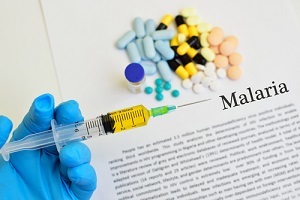 Mosquitoes have acquired immense resistance to the sprayed insecticides over the years. This mandates the need for new antimalarial tools. The European Medicines Agency have voiced a positive scientific opinion on a vaccine for malaria in the previous year. World Health Organization has endorsed the conduct of pilot projects with the malaria vaccine at a larger level. Apart from medical breakthroughs, enough funding and strong political commitment are required to eradicate malaria completely. It is the role of the government to toughen the malaria surveillance process. As many countries are looking forward to eliminating malaria, it is important to identify and prevent every infection.